The Loop Talent Team attended the 76th Cannes International Film Festival. Here are our top 5 highlights of the Festival.
Cannes Great 8
The GREAT8 showcase which presents new UK feature films from some of the UK’s most exciting first and second-time filmmakers to international distributors and festival programmers has announced eight new projects selected for this year’s edition taking place at Cannes Marché. The BFI showcase screened the world premieres of the following films, with work from Loop Talent clients:
‘Black Dog’ directed by George Jaques, with Production Designer Declan Price.
‘Bonus Track’ directed by Julia Jackman with Production Designer Giorgia Lee Joseph, Hair and Makeup Designer Regina Meessen, and Intimacy Coordinator Haley Muraleedharan.
Previous Great 8 Films include ‘Aftersun’ and ‘Enys Men’.
Networking and Meetings
As an Agency at Cannes our priority was setting up meetings and events with Producers, Directors, Writers and Production Companies to establish new and reinforce old connections. Discussing our clients, their recent projects and achievements with like minded companies and individuals is always the highlight of any event.
Women in Film and TV Brunch
Celebrating under-represented groups in the filming industry is always important to us at Loop Talent. Loop Talent Founder and MD Lucy Price attended the WFTV Brunch, hosted by Coutts sponsored by Sargent-Disc.
Pictured here with WFTV CEO Katie Baliff.
Kodak Gathering
A true celebration of film with the team at Kodak. It was great to discuss the films we had seen at Cannes with filmmakers, and discuss our clients work.
International Village
The Village International is a great way to explore national and regional film institutions from countries from around the world. The UK Pavilion hosted multiple panels including the ’20 Years of Stars of Tomorrow in association with Screen Internationa’ and ‘Talent Talk: Wild Summons’
Top Tips for attending Cannes Film Festival:
Take Business Cards which include all contact details and a description of what you do. It will help jog any contacts memory of your conversation.
Comfort is key. Running up and down the Croisette to different meetings means a lot of miles are covered during the day and night. Comfortable footwear is essential.
Don’t be shy! Everyone is there to meet likeminded filmmakers, you never know who you could be connecting with.
Set up meetings in advance. A highlight of our trip to Cannes was a walking meeting where you can talk whilst on the move.
Be prepared for all weather at all times. Suncream and an umbrella are a must!
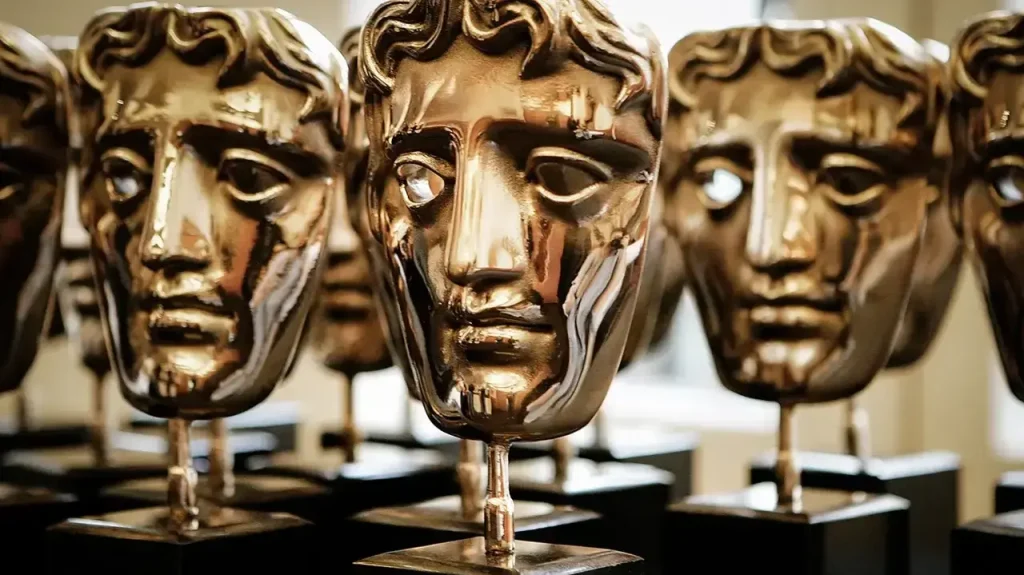
How To Be A Person won for Best Short Form Programme. Loop Talent new signing Cinematographer Natalja Safranova, Intimacy Coordinator Rufai ‘Roo’ Ajala, and Gaffer Elena Armellini collaborated on the project.
In the Scripted Comedy category ‘Derry Girls‘ with Costume Design by Cathy Prior took home the trophy.
The Cannes Great 8 Line Up has been released and we’re delighted that the BFI showcase will screen the world premieres of the following films, with work from Loop Talent clients
‘Black Dog’ with Production Designer Declan Price directed by George Jaques.
‘Bonus Track’ directed by Julia Jackman with Hair and Makeup Designer Regina Meessen, Production Designer Giorgia Lee Joseph and Intimacy Coordinator Haley Muraleedharan.
The team from Loop Talent will be attending Cannes Film Festival from the 19th-22nd May.
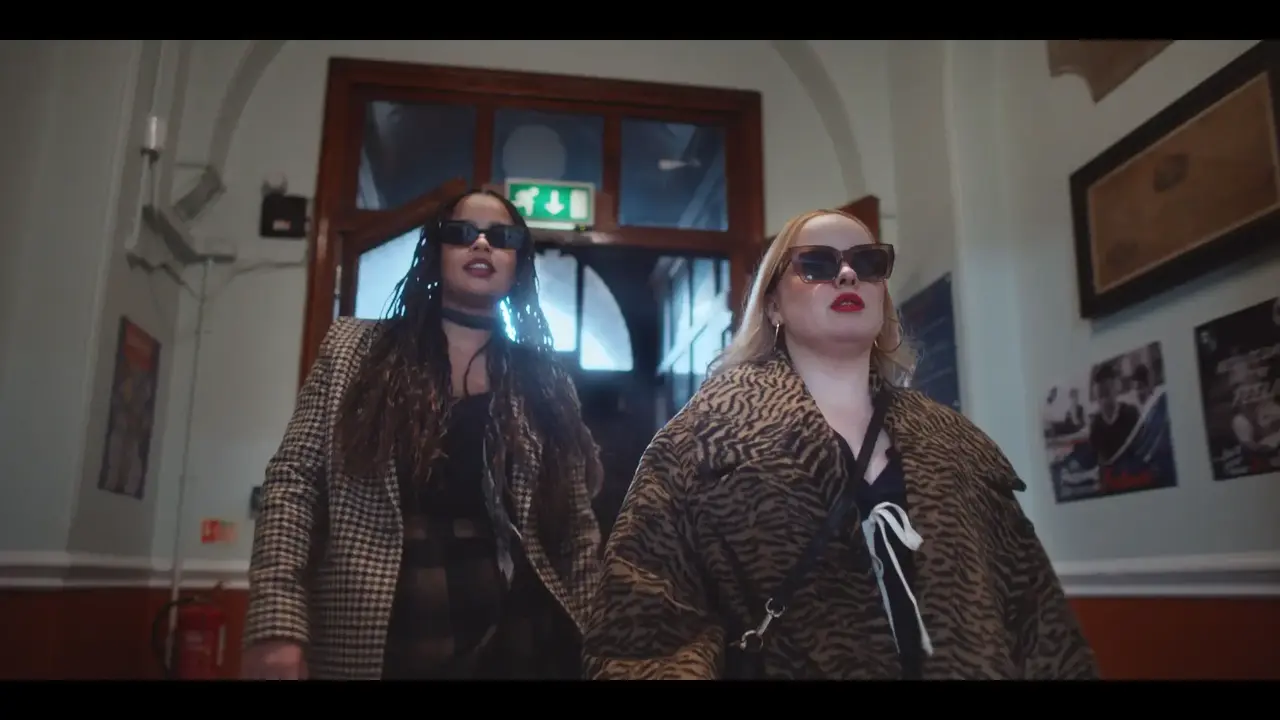
First look at new series Big Mood with Hair and Makeup Design by Siobhán Harper Ryan. Starring Nicola Coughlan and Lydia West, the original comedy series is written and created by Camilla Whitehill.
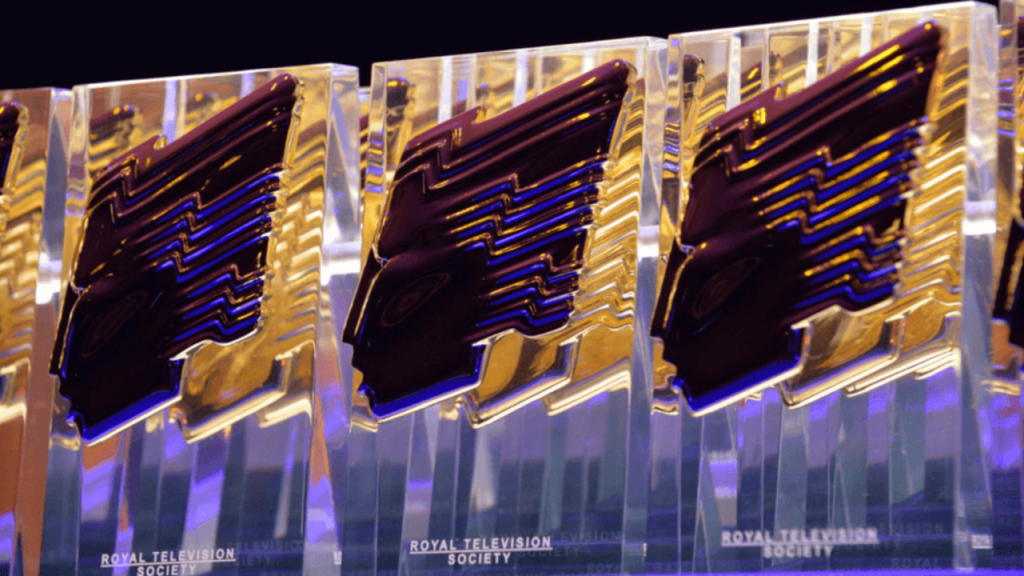
Silverpoint has been nominated for an RTS Northern Ireland award in the Children’s and Animation category, with Director of Photography Martyna Knitter.
We are delighted to welcome Intimacy Coordinator Abigail Kessel to the Loop Talent roster.
Abi has over 25 years of experience in the arts, movement, and choreography industry. Having trained as a dancer and choreographer at one of the most prestigious dance schools globally, Abi possesses a solid foundation and understanding of movement and intimacy for art.
Abi has worked with a diverse range of clients globally and nationally, including Hulu, Film 4, Disney +, Netflix, Sky Tv, Sky Arts, Warner Bros, among others. Abi’s expertise as an Intimacy Director for Theatre and Opera has earned her positions at renowned institutions such as The Globe, Royal Welsh College of Music and Drama, and LAMDA.
Abi’s recent credits include several British features including ‘Pretty Red Dress’ directed by Dionne Edwards, ‘Lady Chatterley’s Lover’ directed by Laure de Clermont-Tonnerre, and ‘The Wasp’ directed by Guillem Morales.
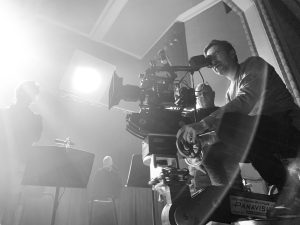
The Director of Photography is a key role on any film set, responsible for capturing the visual essence of the story through their camera work. The DP’s job goes beyond just pointing and shooting – they must have an in-depth understanding of lighting, composition, testing camera movements, and framing to create the desired mood and atmosphere for each scene.
In this article, we will explore the essential skills and responsibilities that come with being aDirector of Photography, as well as the impact their decisions can have on the final product.
As filmmakers strive for ever more immersive storytelling experiences, it becomes increasingly important for DPs to hone their craft and stay up-to-date with new technologies and techniques.
A skilled DP can elevate even the most basic script into something visually stunning, while an inexperienced one can detract from even the best-written material.
Through examining what makes a great DP tick – including strong communication, exceptional interpersonal skills, technical expertise, and creative vision – we hope to provide aspiring cinematographers with a roadmap to becoming masters of their craft.
Understanding The Director Of Photography Role
The role of the Director of Photography (DP) involves creating a visual story by utilizing a unique visual style, creating a visual concept, and showcasing creative visual thinking.
As a DP, one must have an understanding of the camera and lighting equipment that is used to capture the desired visuals.
Furthermore, a DP must possess the skills to effectively manage the camera and lighting equipment to create the desired effect.
It is also essential for a DP to be able to select the proper lens and filters to create the desired look and feel for the visuals.
Visual Style And Creative Visual Thinking
A director of photography’s role is to create a visual style thatcomplements the narrative elements of a film or television show. This requires an excellent understanding of lighting and camera techniques, as well as creative visual thinking skills.
A skilled director of photography can use their expertise to enhance the mood and emotion of each scene, adding depth and dimensionality to the story being told. They must work closely with the director to ensure they understand the vision for the project while bringing their own artistic flair to the table.
Ultimately, it is this blend of technical proficiency and creative innovation that sets apart exceptional directors of photography in today’s competitive media landscape.
Camera And Lighting Equipment Management
Another vital aspect of a director of photography’s role is managing the camera operators and lighting equipment. They must ensure that all the necessary tools are available for each scene, including cameras, lenses, tripods, lights, reflectors, and more. This requires an in-depth understanding of different types of camera operator and equipment and their functions.
Along with this responsibility comes overseeing the camera and lighting crew to make sure they operate everything correctly. A strong director of photography can use their expertise to guide the camera distance the team effectively while ensuring everyone works collaboratively towards achieving the project’s vision.
The process of working behind-the-scenes on-camera and lighting setups may seem mundane; however, it is crucial to making any film or television show look visually appealing.
Becoming A Director Of Photography
Camera skills are an essential component of the DOP role, and include knowledge of the technical aspects of shooting with a variety of camera formats and lenses.
Interpersonal skills, such as the ability to work cooperatively with actors and crew, are also an important part of the role.
The director of photography must also be able to collaborate with the director and othercrew members to create the desired visual style and aesthetic.
In addition, the director of photography is often responsible for the overall look and feel of the production, and must use their creative vision to bring the director’s vision to life.
Camera Skills
A director of photography’s role is to bring a creative director’ vision to life through the lens. Camera skills are essential for this job as they allow for capturing scenes in different angles and movements that can convey emotions, highlight details or tell stories.
The knowledge of camera angles and the camera movement also enables cinematographers to compose shots creatively while keeping focus on the narrative. Having an eye for detail, lighting and composition are also critical aspects of camera skills required by a director of photography.
Constantly improving these abilities in directing camera movement helps create stunning visuals that enhance the story being told through film, television shows or other projects.
Therefore, it is imperative for directors of photography to have profound expertise in camera skills when working with a creative team to achieve their envisioned results successfully.
Interpersonal Skills
In addition to camera skills and creative visual thinking, interpersonal skills are also crucial for becoming a successful director of photography.
This job requires working closely with various team members, and camera crew, including producers, directors, actors, andcamera operators. Therefore, having exceptional communication and collaboration abilities is essential in ensuring that everyone involved understands the vision and works together effectively.
Additionally, being able to lead and manage a team while maintaining positive relationships can help ensure that all aspects of the production align with the desired film’s visual style.
Furthermore, to ensure adequate electrical supply that is necessary for lighting equipment and power tools used on location or in-studio settings.
By developing strong interpersonal skills alongside their technical expertise, aspiring cinematographers can establish themselves as valuable assets within the film industry.
Key Components Of A Director Of Photography’s Work
Camera techniques and camera equipment used by the DOP require knowledge and understanding of various formats, lenses, camera accessories, and camera support tools.
Lighting and electrical aspects involve the selection of fixtures, rigging, and gels for the desired effect, as well as the placement of lights and the use of flags, nets and diffusion to shape the light.
The DOP needs to collaborate with other departments in order to create a unified vision and ensure smooth production. This includes working with the Gaffer andKey Gripto understand the shooting requirements, as well as with the Production Designer to ensure the desired look and feel of the sets.
Camera Techniques And Equipment
When it comes to the director of photography job description, one crucial aspect is camera techniques and equipment.
The ability to choose the right camera angles, the camera distance used, and movement can greatly impact how a scene is perceived by an audience. Additionally, understanding camera aperture settings and shutter angles allows for creative control over depth of field and motion blur.
The selection of the appropriate film stock used also plays a significant role in achieving the desired look for a project. A skilled director of photography must be knowledgeable about various types of cameras and lenses as well as how they operate so that they can make informed decisions about which equipment will best suit each shot.
With all these visual elements all working together harmoniously, capturing breathtaking visuals becomes possible on every shoot.
Lighting And Electrical Aspects
Another key component of a director of photography’s work is the lighting and electrical aspects. The use of appropriate lighting equipment and techniques can greatly enhance the mood, tone, and overall look of a film’s visual elements in each shot. Understanding how to position lights at different camera angles and distances allows for creative control over shadows, highlights, and color temperature.
Additionally, ensuring adequate electrical supply on set is crucial to prevent any technical difficulties or interruptions during filming. Artificial lighting conditions are also an important consideration as they can affect not only the appearance but also the emotions conveyed in a scene.
A skilled director of photography must collaborate closely with other departments such as the film director and lighting department to achieve cohesive visual storytelling throughout the entire post production design and process.
Finding The Right Director Of Photography For Your Project
As a key component of editing visual elements of any successful film or video project, finding the right Director of Photography is crucial.
Like a captain steering a ship in uncharted waters, the director of photography guides the film’s visual style and aesthetic direction of the film’s visual elements throughout the production.
They must possess an eye for the best camera angles and techniques, as well as have a deep understanding of lighting requirements to create stunning visuals that enhance the narrative elements and storytelling ability.
Whether it’s matching commercial Directors with new, innovative DOPs, or narrative teams with experienced, agile Cinematographers, Loop Talent can help you find just the right DOP for your project.
With their extensive network and reputation in the industry, they offer invaluable support throughout production so that you can focus on bringing your creative vision to life without worrying about the admin details.
The Final Word
In summary, a Director of Photography plays a critical role in bringing a director’s vision to life on screen through technical expertise and collaboration. From pre-production to post-production, their work includes research, execution, editing, and ongoing development.
To find the right Director of Photography for your project, it’s important to find someone who shares your artistic vision while also bringing their own unique perspective and aesthetic.
Don’t miss out on the opportunity to add depth, character motivation, and visually stunning imagery to your production. Contact Loop Talent today for help sourcing a Director of Photography.
Looking to hire a Director of Photography for a film, television series, commercial or documentary? Loop Talent represents experienced Cinematographers and DOPs working across high-end television, feature films, commercials and documentary production in the UK and internationally. We help producers, directors and production companies find the right creative partner for their project, matching productions with talented cinematographers whose visual style, experience and availability align with the brief.
If you’re looking for a DOP for your upcoming project, you can view our talent here:
A Director of Photography is responsible for overseeing the camera and lighting departments and translating the director’s vision into images.
While every production is different, a DOP’s responsibilities typically include:
Developing the visual style of the project
Selecting cameras, lenses and filtration
Designing lighting approaches
Planning camera movement and shot composition
Managing camera and lighting crews
Collaborating with the production designer
Working with VFX and post-production teams
Maintaining consistency throughout production
A great DOP combines technical expertise with creative instincts. They understand how to tell a story visually while balancing schedule, budget and practical production realities.
Director of Photography vs Cinematographer: Is There a Difference?
In most film and television productions, the terms Director of Photography and Cinematographer are used interchangeably.
In the UK, Director of Photography or DOP tends to be the more commonly used term within television drama, feature films and high-end television. Cinematographer is also widely used and is particularly common within the international film industry and commercial production.
Regardless of the title, the role remains the same: overseeing the visual storytelling of a project.
Why Hiring the Right DOP Matters
Every director has a vision. The DOP is the person responsible for helping bring that vision to life.
The difference between an average production and an outstanding one is often found not in the equipment being used but in the creative decisions being made behind the camera.
The right Director of Photography can:
Elevate production value
Improve visual storytelling
Create a distinctive visual identity
Maximise available resources
Solve creative and technical challenges
Help productions stay on schedule
Build confidence across departments
An experienced cinematographer doesn’t simply make images look attractive. They understand how to create visuals that support character, emotion and narrative.
What Should You Look For When Hiring a DOP?
One of the most common mistakes producers make is focusing solely on showreels.
Whilst previous work is important, it’s only one part of the decision-making process.
Relevant Experience
Different productions require different skillsets.
A commercial DOP may have exceptional lighting skills but limited experience managing the scale of a six-month television drama. Likewise, a feature film cinematographer may not be the right fit for a fast-moving documentary project.
When reviewing potential candidates, consider:
Genre experience
Production scale
Budget level
Shooting format
International experience
Studio and location experience
The goal isn’t simply to find the most accomplished DOP. It’s to find the person best suited to the specific demands of your project.
Visual Style
Every Director of Photography develops a unique visual approach.
Some are known for naturalistic lighting and handheld camera work. Others specialise in carefully crafted cinematic imagery, stylised commercial work or visually ambitious genre storytelling.
Reviewing previous projects can help determine whether a cinematographer’s style aligns with your creative ambitions.
Ask yourself:
Does their work feel emotionally engaging?
Can they adapt between genres?
Does their visual style support storytelling?
Have they worked on projects similar to yours?
Personality and Collaboration
Film and television production is collaborative by nature.
A DOP will spend months working closely with directors, producers, production designers and crew. Strong communication skills and a collaborative attitude are often just as important as technical ability.
Many producers place as much value on personality and professionalism as they do on a cinematographer’s showreel.
The best Director of Photography is often the person who can build strong creative relationships while maintaining a positive working environment under pressure.
Questions to Ask a Director of Photography
Before making a booking, it’s worth arranging a conversation with shortlisted candidates.
Useful questions might include:
What attracted you to the project?
How would you approach the visual style?
Have you worked on similar productions before?
What challenges do you foresee?
How would you collaborate with the director?
What camera and lighting approaches would you consider?
How do you manage demanding schedules?
These discussions often reveal far more than a showreel alone.
Hiring a DOP for Television Drama
Television production presents unique challenges.
A television Director of Photography must often work within an established visual framework while managing demanding schedules and significant shooting ratios.
Experience becomes particularly important when hiring for:
High-end television drama
Continuing drama
Comedy series
Crime dramas
Factual entertainment
Episodic streaming productions
A television cinematographer must balance creativity with speed, consistency and practical delivery.
Hiring a DOP for Feature Films
Feature filmmaking offers greater opportunities to develop a distinctive visual identity.
When hiring a feature film cinematographer, producers often look for:
Strong narrative storytelling skills
Experience developing visual language
Festival and distribution experience
Collaboration with directors during prep
Ability to maximise available budgets
The relationship between director and DOP is particularly important on long-form narrative projects, where visual decisions support storytelling over an extended period.
Hiring a Commercial DOP
Commercial productions often operate under compressed schedules, requiring cinematographers who can deliver premium imagery quickly and efficiently.
Commercial Directors of Photography frequently require expertise in:
High-end lighting
Product photography
Beauty cinematography
Motion control
Food and drink filming
Automotive work
Brand storytelling
The ability to communicate effectively with agencies, brands and clients is also crucial.
Documentary Cinematographers
Documentary filmmaking demands a very different skillset.
Unlike scripted productions, documentary DOPs often work in unpredictable environments and need the confidence to make creative decisions quickly.
Key qualities include:
Adaptability
Strong observational skills
Lightweight shooting experience
International filming experience
Ability to work with minimal resources
Strong interpersonal skills
Documentary cinematographers must often capture extraordinary moments with little warning or control over their surroundings.
How Much Does It Cost to Hire a Director of Photography?
DOP rates vary significantly depending on:
Experience level
Production type
Budget size
Length of engagement
Prep requirements
Location
Equipment requirements
A commercial DOP, feature film cinematographer and television Director of Photography may all command different fee structures.
Rather than focusing solely on day rates, producers should consider overall value. Experienced cinematographers can often save productions time and money through efficient planning and stronger creative decision-making.
Why Use a DOP Agency?
Producers often come to a DOP agency because they need more than a list of available names. They need recommendations. A specialist agency understands which cinematographers are best suited to particular genres, production scales and creative approaches. This can save valuable time during prep and help productions find the right creative fit from the outset.
Finding the Right Director of Photography
No two productions are the same.
The ideal cinematographer for a commercial campaign may be entirely different from the best fit for an independent feature or television series.
That’s why the hiring process should focus on more than just a showreel. The best DOPs bring a combination of creativity, technical expertise, leadership and collaboration to every production.
When producers take the time to find a Director of Photography whose style, experience and personality align with their project, the results are often visible on screen.
Looking to Hire a Director of Photography?
Hiring a Director of Photography is one of the most important creative decisions a producer or director will make. Whether you’re staffing a high-end television drama, feature film, commercial campaign or documentary, the right DOP will help define the visual identity of the project while ensuring it can be delivered within budget and schedule.
Get in touch with Loop Talent to book your DOP.
Loop Talent represents experienced Directors of Photography and Cinematographers working across film, high-end television, commercials, documentaries and branded content throughout the UK and internationally.
Whether you’re looking to hire a DOP for a television drama, feature film, commercial campaign or documentary project, our team can help identify the right creative partner for your production.
Explore our roster of Directors of Photography or contact the team to discuss your upcoming project.