Category

News

DOP Denson Baker ACS NZCS featured on ‘The Making Of’

By News

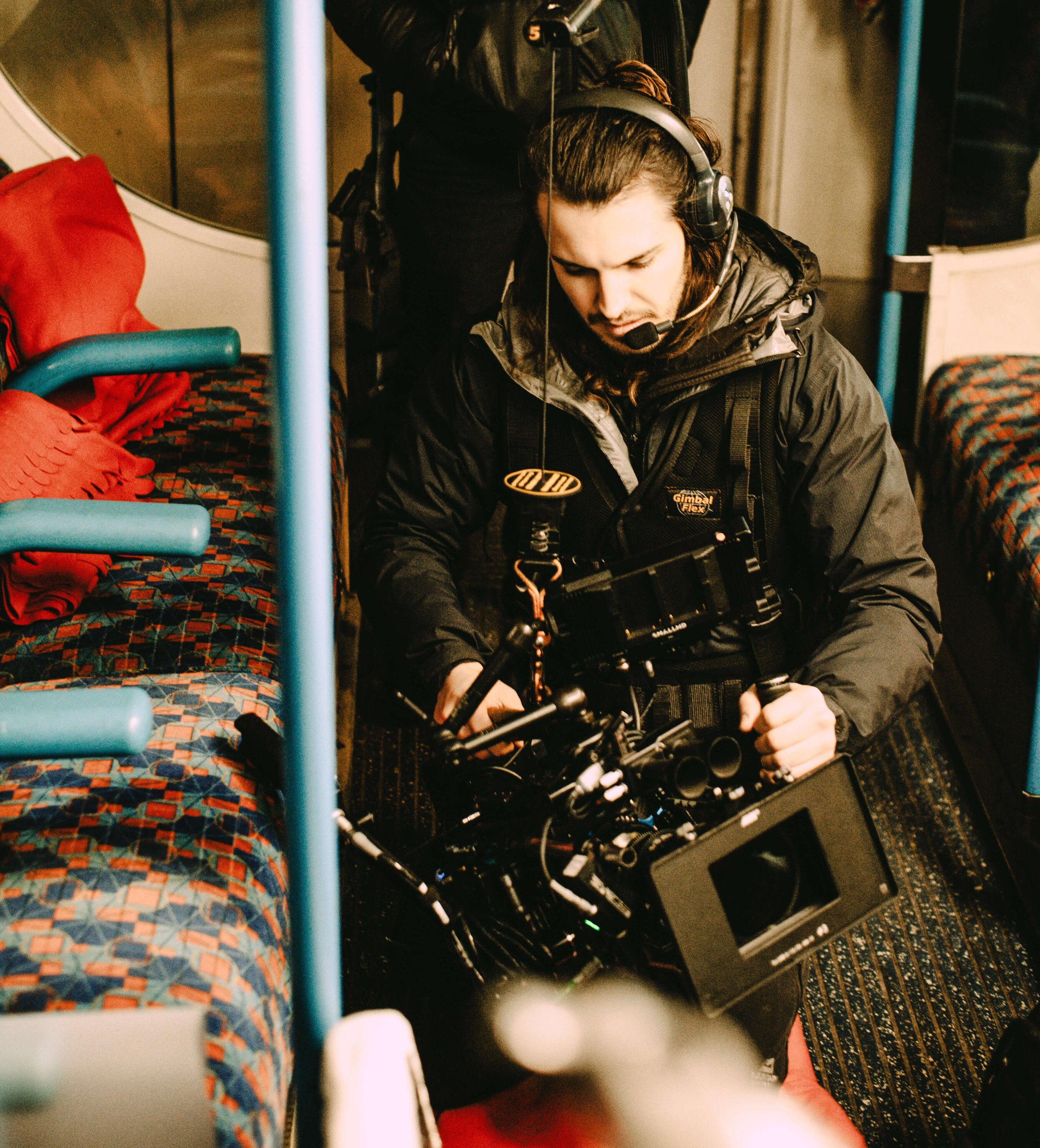
Denson Baker ACS NZCS appeared on an episode of ‘The Making Of’ discussing his cinematic influences, how he creates the look for each project, his process for choosing certain filmmaking technologies, and much more.

Denson’s credits include The Colour Room, Ophelia, Mountain Boy, Measure of a Man, “The Luminaries,” “Victoria,” The Black Balloon, The Waiting City, Ukraine on Fire, The Dark Horse, Oranges and Sunshine, and Deck Dogz.

Contact Lucy for bookings.

Director of Photography Marti Guiver joins the roster

By News

Welcoming Cinematographer Marti Guiver to the Loop Talent roster.

Marti is a London based DOP working across commercial and music promo projects. His commercial work includes HP Omen, H&M, Nike and Call of Duty for directors Christian Sogaard, Miranda May through The Midnight Club, Ola Fisayo and Kaito through Pretty Bird.

Marti also worked with director Alec Maxwell on a Dior campaign featuring Jenna Ortega.

His impressive music promo credits include New Rules ‘Ghost Town’ directed by Devon Kuwiz and India Shan ‘Don’t Wanna’ directed by Jake River Parker.

More recently Marti’s Art Dance Film ‘N25″ directed by Max Raphael won a 1.4 gold award.

Contact Daisy for bookings.

Production Designer Delphine Fyrst joins the roster

By News

We’re thrilled to announce Production Designer Delphine Fyrst has joined the roster. Delphine is a London-based production designer, who is busy working across commercials, music videos and narrative projects.

She worked with Director Elliot Simpson & Park Village on the ‘Overwatch 2’ promo, starring John Cena. She has also collaborated with Elliot on spots including ‘Ebay’ and ‘New Balance’.

Delphine’s other credits include ‘Sky Glass’, ‘Mumble’ and music videos for Mae Stephens and Sigala & Mnek.

Contact James for bookings.

The Importance of Hair and Make up in Film and HETV

By News

In the world of film and HETV, make up goes beyond mere aesthetics; it’s a narrative-driving tool that transforms characters and brings stories to life. This highlights the importance of hair and make up in the film and TV industries. Far from being simply about enhancing looks, it’s actually about manifesting a story visually – making it tangible as well as believable for the audience.

But who are the behind-the-scenes artists who perform this transformative magic? They are the makeup designers, whose skills create unique looks, maintain continuity, and achieve perfection even in the HD era. From basic beauty applications to advanced techniques in prosthetics and special effects, make up designers possess the exceptional ability to transform an actor’s appearance and character.

Yet the role of these make up artists isn’t confined to the make up chair. They also need to collaborate with other creatives, including production designers and directors, to ensure that each character’s appearance fits the story, enhancing the visual storytelling.

If you’re looking for a Hair and Make Up Designer working in HETV, Film, or Commercials get in touch with Lucy to discuss our brilliant and award winning talent.

Key Takeaways

  • Makeup in film and HETV fundamentally transforms actors into characters, enhancing visual storytelling and character development.
  • Technical excellence in makeup contributes to the realism and authenticity of characters, particularly in genres such as period dramas and biopics.
  • Makeup techniques vary across film genres, shaping the visual aesthetics from horror to historical films.
  • The versatility of makeup aids in world-building, especially in fantasy and sci-fi genres, by effectively conveying themes and messages.
  • Prosthetics and special effects demand advanced makeup techniques, which help to create iconic characters and expand the boundaries of visual storytelling.

The Role of Makeup in Visual Storytelling

Let us examine the way in which skilled artists employ makeup to bolster visual storytelling, transforming actors and enriching the narrative’s emotional depth. Makeup artists are integral to character development, capable of transforming actors into a wide array of characters through both subtle and significant alterations. These skilled professionals can age a young actor, add scars or tattoos, or even change their entire species.

Consider the show ‘I Hate Suzie.’ Hair and Make up designer  Siobhán Harper-Ryan created a unique look for each emotional stage of Suzie’s journey, adding layers to her character by changing her hair and body art, thereby enhancing the mood of each scene. 

Each of these cases demonstrates that makeup is more than simply cosmetics. It’s a storytelling tool, used to breathe life into characters and render narratives more immersive. It’s not just about looking good; it’s about telling a story. And that’s why makeup professionals are essential in film and HETV.

Makeup Techniques and their Impact on Film Genres

Diving into the world of film genres, you’ll see how diverse makeup techniques play a pivotal role in the film industry, by shaping the visual aesthetics and setting the tone for horror, science fiction, fantasy, historical, and action films. In horror films, makeup techniques are used to craft terrifying visages, maximising the impact of jump-scares and chilling scenes. On the other hand, the realms of science fiction and fantasy demand creative solutions, with makeup artists often manipulating facial features to create otherworldly characters.

Historical films present a different challenge altogether, requiring accurately replicated looks from specific periods. Makeup techniques here focus on authenticity and detail, contributing to the overall realism of the film. For action films, makeup plays an essential role in illustrating the physical toll of intense scenes, from sweat and grime to minor injuries and severe wounds.

Across all genres, makeup techniques enhance storytelling and immerse viewers in the film’s universe, showcasing its critical role in both subtle nuances and dramatic shifts. As a viewer, it’s fascinating to acknowledge this artistry’s contribution to your cinematic experience.

The Art and Science of Makeup in Character Development

Every on-screen character represents a meticulously crafted piece of artwork, with aspiring makeup artists playing a crucial part in their development and transformation. Makeup designers utilise their skills not simply to enhance beauty, but to bring out a character’s persona, thereby adding to the story.

But it’s not a solo act. Character development is a collaborative process involving directors, actors, and makeup designers. Such collaboration guarantees that the makeup mirrors the character’s personality and matches the overall tone of the film. This synergy adds authenticity and depth to the characters you love, making them more relatable and real.

From the initial concept to the final on-screen portrayal, makeup artists breathe life into characters. They use their brushes and palettes to paint a thousand words, helping us to understand the character’s journey. Be it a subtle change in complexion, depicting a character’s illness, or a complete transformation into a fantastical creature, makeup is the silent narrator.

In the end, makeup in film and HETV isn’t just about looks. It’s both an art and a science, aiding character development, sparking emotions and pushing narratives forward. It’s the magic that transforms actors into characters, making the unreal, real.

The Technical Excellence Behind Film Makeup

The technical excellence of film makeup truly magnifies its transformative capabilities. In the film and TV industry, makeup designers harness a unique blend of artistic and technical skills. This combination of body art techniques consistently results in compelling on-screen transformations, rendering actors into authentic characters.

But the expertise that’s needed isn’t just about applying blush and lipstick. It’s about mastering intricate techniques such as prosthetics and special effects. Imagine having to create a lifelike alien or make a character look decades older! That’s the essential level of excellence in practical skills that’s required.

Training and skill development are essential, therefore, and that’s where Loop Talent steps in. We are committed to fostering top-tier talent, ensuring that makeup designers keep evolving and perfecting their body art and technical skills.

Makeup’s Role in the Realism and Authenticity of Films

In detail-oriented genres, such as period dramas and biopics, makeup is essential for adding realism and authenticity to the portrayal. It helps bridge the gap between the audience and the on-screen world by making characters appear just as they would in real life, or in a particular historical period.

Creating an authentic appearance involves makeup artists who:

  • Conduct extensive research on period styles and trends.
  • Employ specialised techniques for ageing or altering actors’ features.
  • Collaborate with costume designers and directors for a cohesive vision.
  • Focus on subtle details that enhance the film’s realistic mood.

Yet the power of makeup lies not only in its ability to transform, but also in its subtlety. After all, it’s the tiny blemishes, the wrinkles, and the scars that make characters real and relatable. By focusing on these details, makeup artists bring authenticity to the screen, making the film more immersive and believable. This is why makeup’s role in enhancing realism and authenticity in films is so essential.

Enhancing Audience Engagement Through Makeup

Beyond its transformative power, makeup plays a crucial role in shaping audience perception and engagement, rendering characters more relatable and memorable. It’s not just about changing the actors’ appearances; it’s also about sparking an emotional connection with the audience. The right makeup can evoke empathy, surprise, or even fear. It’s an art form that greatly affects audience perception, drawing viewers deeper into the story.

Consider iconic characters, such as the Joker or Maleficent. Their unique looks, achieved through skilled makeup, aren’t simply memorable—they’re integral to the characters’ identities. Makeup artists meticulously craft each detail to enhance the actor’s performance, creating a visual language that resonates with viewers.

But it’s not all about dramatic transformations. Even subtle makeup can significantly influence how the audience perceives a character. Think of a romantic lead with a natural glow or a villain with just the slightest hint of menace in their eyes. This is the magic of makeup in film and HETV; it captivates audiences, making them feel more engaged and invested in the characters’ journeys. Such is the profound impact of makeup—it’s not only visible but also deeply felt by audiences.

The Enduring Impact of Makeup in Storytelling

As demonstrated, makeup in film and HETV transforms characters, captivates audiences, and enriches narratives, proving itself a vital storytelling tool. Using intricate makeup techniques, a skilled makeup designer can create a visual spectacle that elevates the entire production.

To summarise, makeup plays a highly significant role in film and TV productions:

  • It helps actors get into character, transforming their appearance to match the persona they’re portraying.
  • Makeup can depict the passage of time, ageing a character or making them appear younger.
  • It enhances the visual experience, adding depth and detail to every scene.
  • In the world of fantasy and sci-fi, makeup is essential for creating out-of-this-world creatures and characters.

At Loop Talent, the makeup designers we represent have the skills and imagination to create these transformative looks. They work closely with both directors and production teams, ensuring that their designs align with the overall vision of the project.

Costume Designer Ros Marshall joins the roster

By News

We’re thrilled to announce Costume Designer Ros Marshall has joined the roster.

Ros is a Bristol-based Costume Designer, working throughout the UK and overseas. Her recent credits include the upcoming ITV drama ‘Playing Nice’ starring James Norton and Niamh Algar. Previous to this, she designed Nicolas Winding Refn’s adaption of ‘The Famous Five’ for BBC. Ros’ credits also include ‘Henpocalypse’ with Various Artists Limited and ‘Starstruck’ created by Rose Matafeo.

Contact James for bookings.

Loop Talent Intimacy Coordinator x WFTV Panel

By News

Loop Talent Intimacy Coordinators Rufai ‘Roo’ Ajala, Haley Muraleedharan and Abi Kessel will appear on WFTV panel ‘Working with Intimacy Coordinators’ hosted by Loop Talent Founder and MD Lucy Price.

The online panel is open to WFTV members on the 23rd May 18:30.

Are you looking for a Production Manager for HETV or Film?

By News

At Loop Talent, we represent a highly skilled and experienced list of Production Managers based all over the UK and working worldwide. Here’s a snapshot of our Production Managers working in HETV and Film.

Andrew Gwyn Davies

Andrew Gwyn Davies is a Production Manager with an impressive career spanning 20 years in the industry. Andrew has recently wrapped on ‘The Road Trip’ for 42 M&P, and his further credits include ‘Extraordinary’ for Disney+, Series 3 of ‘Riviera’ shot on location in Argentina, and BAFTA-nominated series ‘The Girl Before’.

Tony Davis

Tony Davis is an extremely experienced Production Manager with experience in MMP Film and HETV. His recent credits include LucasFilm’s ‘The Acolyte’, ‘The Marvels’ for Marvel Studios, and Guy Ritchie’s ‘The Gentlemen’. Tony also has experience as UPM on major productions including ‘Fantastic Beasts and Where To Find Them’ and ‘American Assassin’.

Joanna Osborn

Joanna Osborn is a highly skilled Production Manager working across HETV and feature films. Her credits include Series 1 of Netflix hit ‘Bridgerton’, ‘Landscapers’ for Sister Pictures and Sky/HBO, and Guy Ritchie’s new feature film ‘The Ministry of Ungentlemanly Warfare’. Joanna has just wrapped on ‘Black Doves’ for Sister and Netflix, starring Keira Knightley, Ben Whishaw, and Sarah Lancashire.

Christian Rigg

Christian Rigg is an accomplished Production Manager working in HETV, with an extensive background working as an AD across a range of drama productions. Christian’s recent credits include ‘Playing Nice’ for Red Productions/Studio Canal,feature ‘Promenade’ for Frank & Lively, and Series 1 of ‘The Gold’ for the BBC/Paramount+.

Chiara Giavarini

Chiara Giavarini is an Italian-born Production Manager, whose work as a PM includes independent features ‘And Then Come The Nightjars’ for Finite Films, ‘Cottontail’ for Brouhaha Entertainment, and ’90 Minutes’ for El Captain.

Contact Matt for bookings.

Intimacy Coordinator Nina Jamil joins the roster

By News

We’re thrilled to announce Intimacy Coordinator Nina Jamil has joined the roster.

Nina is a Belfast-based Intimacy Coordinator working in feature films and HETV, whose C.V. features productions from a host of industry-leading companies and broadcasters including Element Pictures, Merman, Apple TV+, Hulu, and RTE.

Before training to become an Intimacy Coordinator Nina spent 15 years in the industry across a variety of roles both in front of and behind the camera, including producing a number of shorts and TV pilots, that has given her the additional tools to offer practical solutions to benefit production alongside her responsibilities as an Intimacy Coordinator.

Consent and collaboration are an integral part of Nina’s process as an Intimacy Coordinator, allowing actors to deliver performances where they feel safe and empowered to do their best work whilst also giving directors the opportunity to fulfil their creative ambitions.

Contact Matt for bookings.

Role Of Intimacy Coordinators in the Film Industry

By News

These professionals are pivotal in the film industry, safeguarding actors and advising on consensual and respectful practices during sensitive scenes. Essentially, they guard actors’ boundaries while maintaining the authenticity of the scene itself. Balancing advocacy, choreography, and safety, their work is grounded in context, consent, communication, movement, and closure. Intimacy coordinators are not only critical for fostering trust and respect on set, but they also enhance the depth and authenticity of the narrative. Continue reading to understand the crucial contributions made by intimacy coordinators to modern film production.

If you’d like to check out our diverse group of UK-based intimacy coordinators who contribute to various projects, including films, high-end TV productions, commercials, and music promos – you can view them here. 

Key Takeaways

  • Intimacy coordinators ensure the safe, respectful portrayal of intimate scenes, maintaining actors’ boundaries and adhering to industry safety protocols.
  • They collaborate with directors and crew members, establish boundaries, and provide guidance during scenes to integrate intimacy smoothly into the narrative.
  • To maintain comfort and uphold scene integrity, in advance of a shoot, coordinators draft risk assessments, and waivers, and speak directly to cast members and directors to establish what will be shot on the day.
  • When on set, they help manage power dynamics, and guide and prepare actors through intimate scenes, emphasising confidentiality, professionalism, and respect.
  • Their role adds value by enhancing the authenticity and depth of the narrative, improving production quality, and contributing to a more respectful depiction of intimate relationships.

Introduction to Intimacy Coordination

In the dynamic world of film and television, intimacy coordinators have emerged as vital players, ensuring the safe and respectful portrayal of intimate scenes. Their role is essential, providing guidance and support to actors as they navigate the complexities of filming these sensitive moments.

With the intensity of intimate scenes increasing in today’s media, we’ve seen a growing need for intimacy coordinators. They follow industry guidelines and standards, ensuring that professionalism is maintained while respecting actors’ experiences. Furthermore, they also manage how intimate content is portrayed, emphasising confidentiality and providing support to cast members, both during and after production.

At Loop Talent, we understand the critical role of intimacy coordinators; that’s why we’re committed to representing professionals in this field. We’re proud to have a diverse roster of UK-based intimacy coordinators who work on a wide range of projects. From film and television to commercials and music promos, our intimacy coordinators are trained to ensure that every scene is handled with the utmost respect and sensitivity. We believe in empowering our clients, nurturing their skills, and helping them to progress in their careers.

Defining the Role of an Intimacy Coordinator

The role of an intimacy coordinator is dedicated to balancing advocacy, choreography, and safety, ensuring that any scenes of intimacy are managed with respect and care. Serving as essential allies, these professional experts provide guidance and support, ensuring that sensitive scenes are conducted with the utmost respect for personal boundaries as well as strict adherence to safety standards.

It’s important to differentiate between intimacy coordinators for film and television and intimacy directors in the theatre. Even though their roles may seem similar, they cater to different formats and their tasks vary accordingly. However, they share the same aim: to facilitate intimate content that is safe and respectful.

The role of intimacy coordinators has evolved significantly in recent times, especially since the #MeToo movement. Their presence on sets has become increasingly necessary to maintain professionalism and protect actors’, and also crew’s rights. In essence, intimacy coordinators are not only choreographers of intimate scenes, but they’re also the advocates and protectors of actors and crew, ensuring that any sexual acts of intimacy on screen are portrayed with both respect and care.

The Core Principles of Intimacy Coordination

It’s important to understand the core principles of intimacy coordination, which are grounded in the pillars of context, consent, communication, choreography, and closure.

  • Context – Intimacy coordinators must understand the context of each scene and ensure it aligns with the storyline and characters’ development.
  • Consent – They guarantee that all actors give their informed consent before performing an intimate scene, ensuring everyone’s safety and comfort.
  • Communication – Open lines of communication are crucial. Coordinators facilitate discussions about boundaries, comfort levels, and personal preferences.
  • Choreography – Intimate scenes are choreographed to the smallest detail, just like a dance or fight scene. This removes ambiguity and provides clear directions for actors.
  • Closure – After filming, coordinators provide closure to actors, helping them separate their characters’ experiences from their own.

Operational Dynamics within Productions

As we examine the role of intimacy coordinators, understanding their operational dynamics within productions is key.

Not only do they collaborate with production teams but they also use specific tools and techniques for effective communication and conflict resolution between production companies.

Moreover, they’re pivotal in preventing harassment and ensuring a respectful and safe environment on set.

Collaboration with Production Teams

In the world of film and TV production, intimacy coordinators work closely with directors, producers, cast and crew members to ensure that intimate scenes are integrated smoothly and respectfully into the narrative. Their collaboration with production teams is key, as they contribute valuable insights to maintain the authenticity of scenes while safeguarding the comfort and dignity of actors.

Their roles in collaboration include:

  • Establishing boundaries for actors during intimate scenes
  • Communicating actors’ comfort levels to directors
  • Guiding the enactment of intimate scenes
  • Working with directors to creatively adapt scenes when needed
  • Advocating for actors’ rights within production teams.

Hence, intimacy coordinators play an invaluable role in fostering a safe, respectful environment during the filming of intimate scenes.

Tools and Techniques

Intimacy coordinators employ a myriad of tools and techniques to navigate operational dynamics within productions, striking a balance between the creative team’s needs and the actors’ comfort.

One of the tools they use is modesty garments, which provide a physical barrier during intimate scenes, helping to maintain the actor’s comfort and dignity.

Additionally, waivers are used to clearly outline and agree upon the boundaries for these scenes. This ensures that everyone involved understands the scope of the simulated sex scene and is comfortable to proceed.

Conflict Resolution and Harassment Prevention

Part of the role of intimacy coordinators involves resolving conflicts and implementing sexual harassment prevention measures on set. They are pivotal in creating a safe environment in which any concerns can be openly communicated and addressed. This includes facilitating open communication between actors and directors, ensuring that all parties are informed and consent to the scenes in which they’re involved, educating cast and crew members on appropriate behaviour and boundaries, implementing and enforcing sexual harassment prevention policies, and mediating any conflicts related to intimate scenes, ensuring the actors’ comfort and safety.

The presence of intimacy coordinators assists in conflict resolution and fosters an environment that prevents sexual harassment. These experts are essential in maintaining respect, professionalism, and comfort during the portrayal of intimate and sexual content in media.

Impact and Value Added by Intimacy Coordinators

We can’t underestimate the value that intimacy coordinators bring to the film industry. These professionals, who are often members of the Intimacy Professionals Association, are instrumental in crafting intimate scenes that are believable as well as respectful. Far from being a mere luxury, their role is now recognised as being a necessity in contemporary media production.

Part of the professional role of an intimacy director is to choreograph every move and every touch, ensuring that actors’ boundaries are respected at all times. They create a safe environment in which actors feel secure to deliver their best performances, without the fear of any personal lines being crossed. This care generates trust and respect, fostering a positive working atmosphere that improves the overall quality of the production.

The involvement of an intimacy coordinator enriches the final product by helping to craft authentic and nuanced performances, enhancing narrative depth and engaging the audience more deeply. Moreover, they help to promote a more respectful and accurate depiction of intimate relationships in media.

The Impact of Intimacy Coordinators in the UK’s Film Industry

Let’s now turn our attention to the considerable impact of intimacy coordinators in the UK’s film industry.

We’ll discuss their influence on creative integrity, addressing power dynamics and safety, and the business case for their role.

Their presence has sparked significant changes, leading to a safer, more transparent environment on set.

Enhancing Creative Integrity

By harnessing the expertise of intimacy coordinators, productions can maintain their creative integrity while ensuring actors’ safety and comfort during intimate scenes. These professionals are pivotal in creating an environment in which the actors can feel secure, while the creative director’s vision is preserved.

  • Intimacy coordinators create a safe space for actors, allowing them to perform at their best.
  • They ensure that each scene aligns with the director’s creative vision, without compromising actors’ comfort.
  • Intimacy coordinators facilitate open dialogues about consent, boundaries, and physicality between all parties involved.
  • They equip actors with the necessary knowledge to navigate difficult scenes with confidence.
  • Their presence increases the production’s professional standard, ensuring respect for all involved.

In essence, intimacy coordinators are integral to upholding creative integrity in the UK’s film industry.

Addressing Power Dynamics and Safety

Navigating the complex power dynamics of a film set, intimacy coordinators act as key players in the production process, ensuring safety and respect during the filming of vulnerable scenes. Their presence helps to balance these power dynamics, creating a safe environment for actors.

Additionally, intimacy coordinators guide and prepare actors through intimate scenes, emphasising confidentiality and offering support, before, during and after filming. As the intensity of on-screen intimacy increases, so does the need for these professionals. They follow strict industry standards, promoting professionalism and respect for all involved.

The role of intimacy coordinators is becoming more common for managing how intimate content is portrayed and ensuring that actors feel secure and respected. Their indispensable role contributes significantly to the overall safety and integrity of the UK’s film industry.

Challenges and Controversies in Intimacy Coordination

While the role of intimacy coordinators in the filming industry is undeniably important, they often face a series of challenges, including resistance from industry traditionalists and the strain of tight production schedules.

Some industry veterans may resist the involvement of intimacy coordinators, viewing them as a hindrance to creative freedom. However, at Loop Talent, we believe that safety should never be compromised. Intimacy coordinators are there to ensure that actors feel safe and comfortable during intimate scenes, not to dampen the creative process.

Time constraints also pose a challenge. Filming schedules are often tight, and the additional planning required for intimate scenes can strain those already limited timelines. Yet, it’s vital to prioritise this planning to safeguard the well-being of the actors.

Moreover, there’s a controversy over balancing creativity and safety. While some argue that intimacy coordinators limit creative freedom, we maintain that they enhance it by fostering an environment of trust. These challenges, though significant, are surmountable and will hopefully diminish as the role of intimacy coordinators becomes more widely recognised and appreciated.

Future Directions for Intimacy Coordinators

Despite the challenges and controversies, we see great opportunities for growth and development in the role of intimacy coordinators. As the industry progresses, the demand for these specialists is growing, reflecting their significant impact on the safety and comfort of actors in intimate settings. This growth, however, requires some adjustments within the industry.

For the future, we envision several areas of focus:

  • Standardisation: The industry needs to establish standardised practices for intimacy coordinators. This would set clear expectations and guidelines for their work.
  • Recognition: Accreditation for intimacy coordinators is crucial. It lends credibility and professional recognition to their role.
  • Training: Continual professional development and training should be encouraged to keep intimacy coordinators updated on current industry practices and standards.
  • Research: Academic research into the role and impact of intimacy coordinators will further validate their importance and inform policy development.
  • Advocacy: Advocacy for the inclusion of intimacy coordinators in filming projects of all sizes is essential.

In these ways, we can foster the growth of the intimacy coordinators’ role, thereby enhancing their contributions to the industry.

Conclusion: The Integral Role of Intimacy Coordinators in Modern Media

The critical role of intimacy coordinators in ensuring respectful, safe, and authentic portrayals of intimate scenes cannot be understated. Their work has significantly transformed the industry’s approach to on-screen intimacy, providing crucial support for actors in sensitive scenes while helping to achieve the director’s creative vision.

These experts have established themselves as indispensable on set, guiding performers through challenging moments with professionalism and care. They provide a sense of security and confidence, allowing actors to fully commit to their roles without fear of crossing personal boundaries.

At Loop Talent, we recognise the growing importance of this role and are proud to represent a diverse group of UK-based intimacy coordinators who contribute to various projects, including films, high-end TV productions, commercials, and music promos. Our commitment to excellence in this area reflects the entertainment industry’s broader shift towards more ethical and considerate storytelling practices.