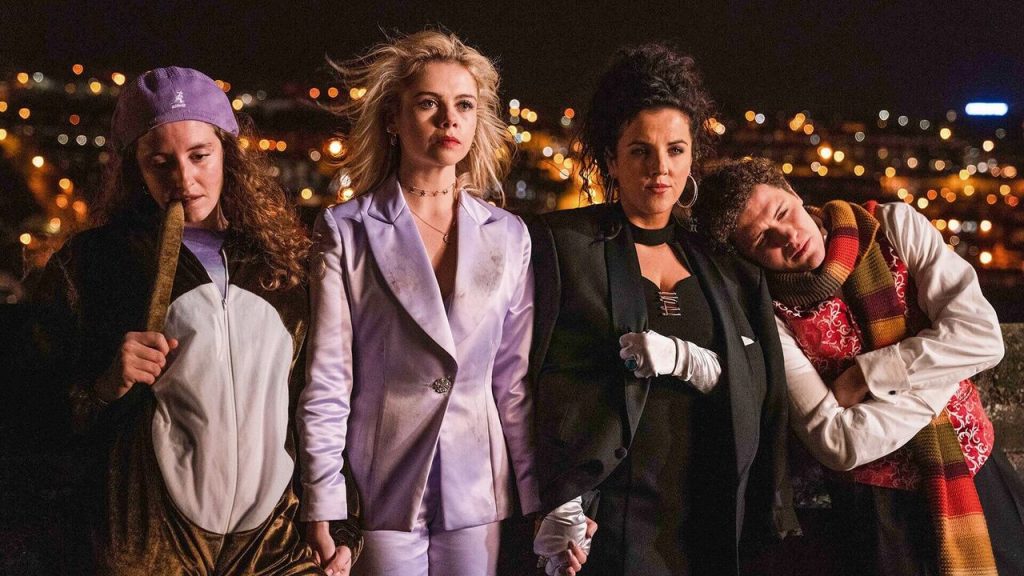
What characters wear often reveals their social status and occupation, helping us instantly understand their role and importance in the story.
A costume designer meticulously crafts each character’s costume to reflect their social status; luxurious attire for the wealthy contrasts with simple clothing for the poor.
Professional uniforms, such as a chef’s uniform or a reporter’s suit, provide immediate context, making the storytelling more efficient and immersive.
By carefully selecting the fabrics, colours, accessories, and designs, costume designers help us grasp a character’s background and profession at a glance.
This visual shorthand enriches the narrative, ensuring we quickly connect with and understand the characters’ roles within the story’s social and occupational landscape.
The Role of Costume Designers in Character Portrayal
A costume designer brings characters to life by carefully curating the attire that reflects their personality, status, and growth within the story.
Costume designers are essential in character portrayal, creating a visual identity that aligns perfectly with the storytelling. Through careful collaboration with directors and actors, costume designers ensure that each costume piece reflects the character’s journey and development.
This teamwork enhances the narrative, allowing viewers to connect more deeply with the characters. By selecting the most appropriate colours, textures, and styles, costume designers contribute greatly to the film’s overall aesthetic, enriching the story and making characters more relatable.
Their expertise turns abstract character concepts into tangible, vivid personas on screen, ultimately elevating the entire cinematic experience.
Reflecting Internal Struggles and Personality Through Costumes
Even without dialogue, costumes can visually express a character’s internal conflicts and hidden traits. For example, superheroes’ masks often represent identity conflicts, highlighting the struggle between their public and private selves.
Colour choices in costumes can also be telling; loud colours might indicate an extroverted personality, while muted tones could suggest introversion or melancholy.
We’ve all seen these principles effectively employed in popular films and TV shows. These visual cues help audiences to better understand the characters, enhancing the storytelling. Carefully selected styles and colours reflect internal struggles and highlight unique personality traits.
Good vs. Evil: Using Costumes to Differentiate Characters
How do costumes so effectively help us to differentiate between good and evil characters in storytelling? Costumes provide visual cues to indicate the moral alignment of characters, creating an immediate understanding of good vs. evil.
In ‘The Wizard of Oz,’ Glinda’s light, ethereal attire contrasts sharply with the Wicked Witch’s dark, menacing look, clearly delineating their roles. This visual shorthand in character portrayal helps audiences to quickly grasp important elements of the narrative’s moral framework.
Contemporary films use similar strategies; heroes often wear brighter, simpler costumes while villains don darker, more elaborate attire. Choices such as these in storytelling amplify the characters’ inherent qualities, making it easier for us to connect with the narrative.
Thus, costumes are powerful tools in defining and differentiating moral opponents in any story.
Setting the Mood and Tone with Costumes