

When exploring food photography’s journey, we can see its transformation from a simple hobby to a widespread trend that alters our engagement and appreciation of culinary arts online. As we explore this vibrant world, we understand that a Director of Photography plays an indispensable role in capturing and elevating the essence of the culinary arts on screen. Check out our food DOPs.
At its core, food photography aims to render dishes visually appealing. It’s become a crucial part of the world of food advertising, helping to ignite our cravings and attract us to new culinary experiences. The rise of social media platforms has propelled the world of food photography into the mainstream, transforming it from a niche hobby into a global phenomenon.
However, food photography is not an easy process. It’s ultimately a team endeavour, requiring the combined efforts of food stylists, art directors, and prop stylists working under the close supervision of the Director of Photography. The team face unique challenges, such as dealing with the transient properties of food items, but they always strive to create images that not only capture the vibrant colours and intricate details of culinary creations but also tell a compelling story. This is the dynamic, delicious world of culinary photography.
Key Takeaways
- The Director of Photography enhances food narratives with artistry and lighting and composition technical proficiency.
- Mastering food visuals requires balanced lighting, creative composition, and detailed knowledge of current food trends.
- Future trends in food photography include authenticity, technology integration, and creative minimalism.
- With the pace of technological innovation, the position of Food Photography Director is rapidly transforming, signifying the future of the role as one of increased influence and significance within the food industry.
The Crucial Role of the Director of Photography in Food Imagery
Delving into the dynamic realm of food photography, it is evident how crucial the role of the Food Photography Director is in crafting compelling culinary stories. Their unparalleled skill is essential to capture the essence of every dish. They’re the architects behind food films, helping to imbue the photos with depth, texture, and atmosphere to make them look as delicious as they taste.
The strategic selection of food photography props is also vital as it enhances the image’s authenticity. Beyond focusing solely on the dish, the Director considers the entire dining context, where each element from plate colour to background decor plays a specific role.
Lastly, let’s not forget composition. The Director’s keen eye for balance, symmetry, and colour contrast plays a significant role in the final image. They understand that the way food is arranged can evoke emotions and convey a narrative, taking the meal beyond a mere visual feast to instead offer an emotional journey. Ultimately, the Director of Photography guides the visual storytelling of culinary arts, ensuring each image resonates with viewers.
If you’d like to check out our talented UK-based DOPs who contribute to various projects, including films, high-end TV productions, commercials, and music promos – you can view them here.
Comprehensive Responsibilities of a Food Photography Director
What exactly do all the comprehensive responsibilities of a Food Photography Director encompass, you might wonder? Far from mere observation, Directors are key contributors to the field, tasked with translating the flavour, texture, and scent of food into visual art.
Their responsibilities extend to:
- Capturing the essence of the dish and the overall culinary experience, ensuring the food’s allure is translated effectively in images.
- Collaborating with chefs and managers, ensuring each project is executed with utmost professionalism.
- Playing both artistic and technical roles, including set design, lighting, and colour management.
- Guiding the entire production team, from photographers to stylists.
- Playing a critical role in post-production, specifically in food photography editing.
Their work is instrumental in food advertising to effectively entice potential customers. From commercial food photography to editorial shoots, each image they capture tells a story, often making us forget that we’re looking at a two-dimensional representation of a dish. These responsibilities ultimately make a significant impact on how we perceive and experience food.
Essential Skills and Qualifications for Excelling in Food Photography
As well as understanding the comprehensive responsibilities of a Food Photography Director, it’s equally important to examine the essential skills and qualifications necessary for excelling in this field. A director specialising in food must marry artistry with technique. This includes having the artistic ability to visualise and create compelling food advertising narratives and the technical proficiency to handle photography equipment and software, and even master high-speed food photography.
Interpersonal and organisational skills are just as vital. Directors must effectively collaborate with teams, manage projects, and maintain a food photographer portfolio that showcases their ability to consistently deliver quality work. An in-depth knowledge and understanding of food photography tips can also come in handy to assist in the creation of eye-catching visuals.
A critical eye for detail ensures consistency and quality in visual storytelling, helping to capture the most minute elements that make a dish stand out. With the right blend of skills and qualifications, a Director of Photography can transform the way we perceive and appreciate food.
Mastering the Art of Food Visuals
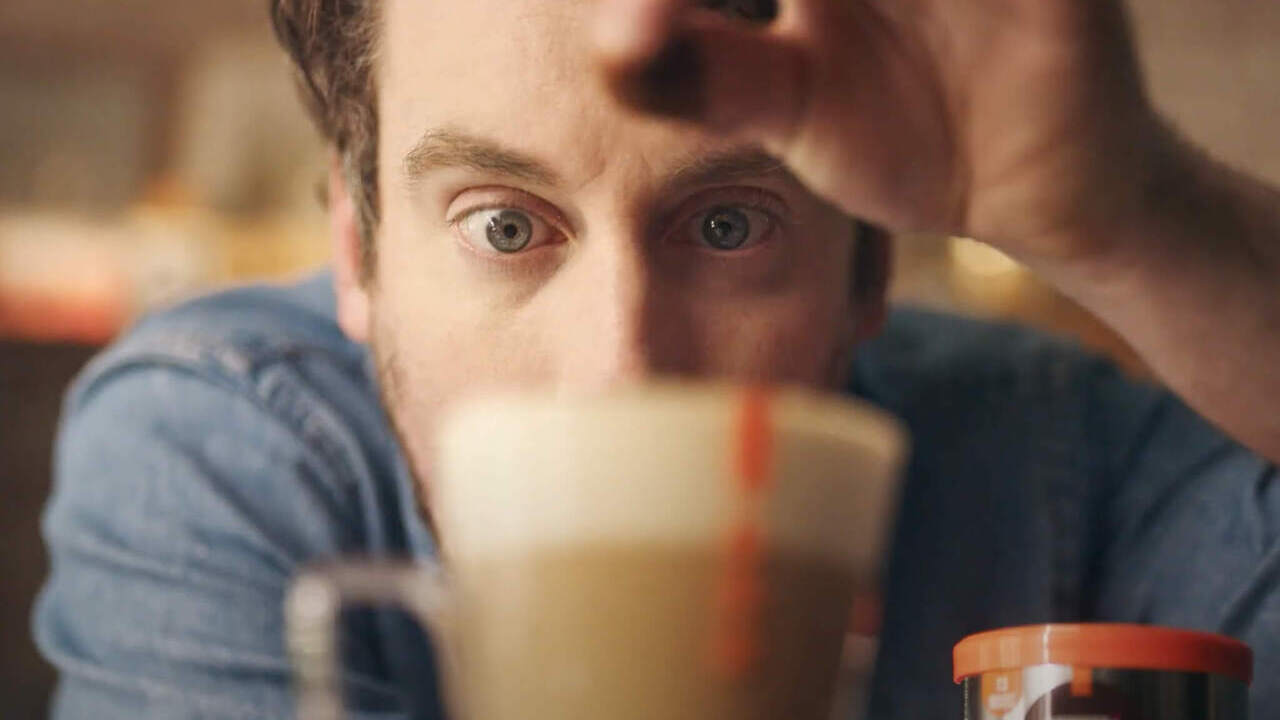
Perfecting food imagery encompasses more than just technical prowess; it requires a deep dive into culinary culture, a keen eye for styling and prop use, and tackling the fleeting nature of food’s appeal. In enhancing the visual feast, we prioritise lighting and composition — essential elements for capturing the allure of textures and hues that make culinary advertisements stand out.
There are five main aspects to achieving food visual excellence :
- Striking a balance between natural and artificial lighting to highlight the food’s best features.
- Mastering the art of styling, which involves arranging food and props in a way that tells a story.
- Understanding the composition rules and knowing when to break them for impact.
- Developing techniques to handle the ephemeral nature of food, like preventing it from looking stale or unappetising.
- Always keeping up to date with current food trends to stay relevant in food advertising.
With these, we can create captivating images that not only satisfy our client’s needs but also entice viewers and stimulate their appetites.
Anticipating Future Trends and Innovations in Food Photography
Looking ahead, the evolving trends and innovations in food photography present new opportunities to refine our approach to capturing culinary art. We’re seeing a shift towards authenticity in food visuals, with a growing demand for images that reflect the real, unembellished beauty of dishes. This desire for authenticity is fuelling food photography trends, such as macro photography, which captures intricate details and tells dynamic stories.
There’s also a shift towards creative plating and minimalism to highlight the dishes themselves and ensure viewers’ attention remains on the culinary artistry displayed. As we anticipate these future trends and innovations, we’re thrilled about the new dimensions they’ll bring to food photography and the appetising visuals they’ll allow us to create.
Conclusion: The Future of Culinary Imagery
Given the recent advancements in food photography, it’s clear that the Director of Food Photography is central to driving the industry forward. As the culinary world grows increasingly digital, the demand for high-quality, captivating food imagery for advertising and social media continues to rise. From advertisements to menus, the Director of Photography combines technical skill and creative insight to capture food’s appeal in this modern era, drawing in and captivating the audience in every way.
To summarise, here are some key points to consider:
- The Director of Photography is integral to the success of food advertising campaigns. Their expertise enables them to elevate everyday meals into visually striking culinary images.
- In food photography, the Director of Photography combines creativity and technical knowledge. They play a crucial role in enhancing the overall visual storytelling of the culinary world.
- With the continuous evolution of food photography, the Director of Photography’s role will continue to grow and evolve.
When it comes to food photography, the Director of Photography does more than capture images; they enhance the viewer’s engagement with the subject through visual storytelling. Ultimately, their contribution is vital to the industry’s success.
To book a Food DOP Contact Lucy with your brief, dates and budget and we will endeavour to help.