
Loop Talent Director of Photography Tom Turley has won Best Cinematography for short film ‘Skeletons’ at the UK Film Festival London.
‘Skeletons’ also picked up the award for Best British Short.
Congratulations to Tom and everyone involved!


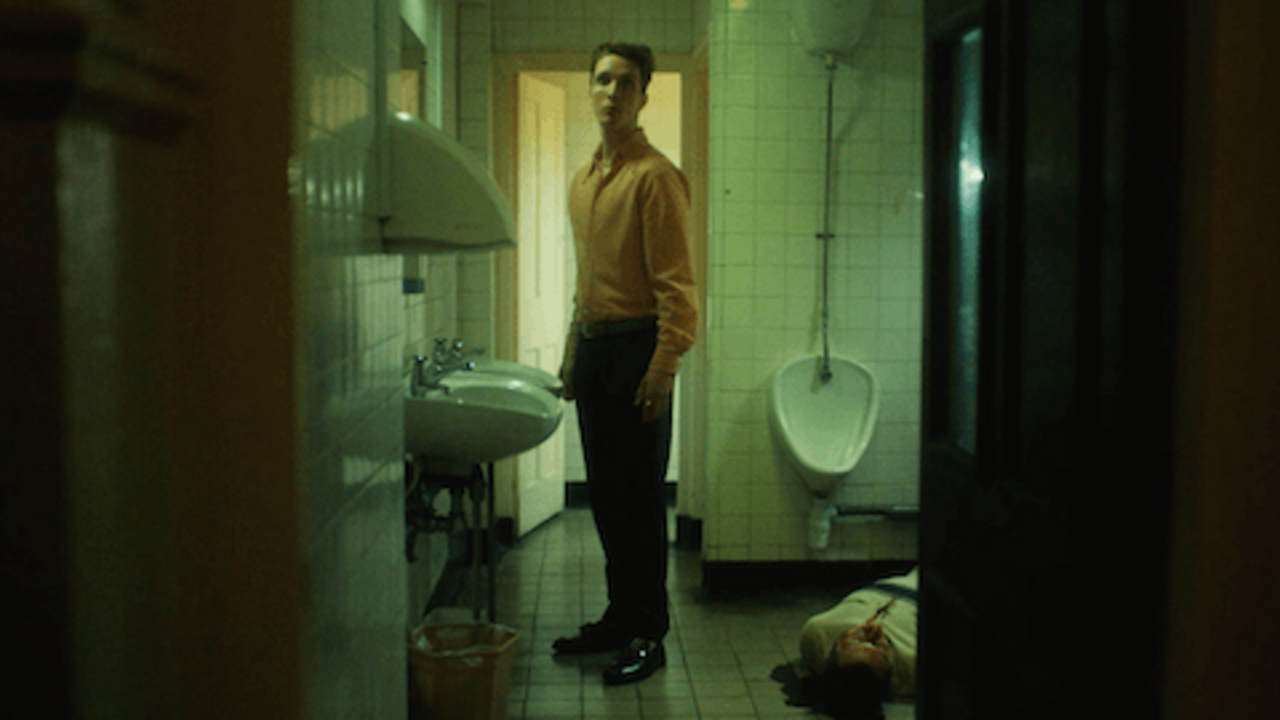
Loop Talent Director of Photography Tom Turley has won Best Cinematography for short film ‘Skeletons’ at the UK Film Festival London.
‘Skeletons’ also picked up the award for Best British Short.
Congratulations to Tom and everyone involved!
You’ve probably watched countless films, but have you ever wondered what it takes to bring these stories to life? Making a film is a complex process involving a variety of roles, responsibilities, and hierarchies. Behind the scenes, you will find a world of creativity, technical precision, and coordinated teamwork.
In this article, we’ll dive into the framework of film production. By reading on, you’ll discover the vital roles in the artistic and technical departments, understand the hierarchy of a film set, and explore the journey from pre-production to post-production. You’ll also uncover various other roles that keep the wheels of film production turning.
By the end, you’ll have a new-found appreciation for the hard work and organisation that goes into crafting the films you love. So, let’s pull back the curtains on the world of film production.
The core film production roles range from the producer, who secures funding and initiates projects, to the director, who brings the vision to life; and from the line producer, who oversees daily operations, to the production managers and coordinators who ensure everything runs smoothly.
Understanding these core roles is key to grasping the intricacies of film production.
In the bustling world of film production, a producer’s role is multifaceted. They’re often the driving force behind a project, securing funding, initiating ideas, and managing the overall organisational aspects.
As a film producer, you could be a line producer, responsible for managing daily operations, a unit production manager overseeing logistics, an executive producer securing financing, or a production manager, whose responsibility it is to coordinate all of these roles.
As a director, your creative eye and leadership skills are vital to turning a mere script into a compelling visual story.
You are at the top of the film crew hierarchy, working closely with film crew members to realise your vision.
With one of the key production roles in film, it’s up to you to ensure that the project stays on time and within budget.
Collaboration with the production department is essential to maintaining a coherent vision.
With responsibility for handling budgeting and scheduling, the job of a line producer is challenging and requires resilience. You’ll be thrown into the whirlwind of the film production process, while managing the film’s budget.
As a line producer, you must manage and oversee the film crew, ensuring the production stays within budget and on schedule. It’s a challenging role, but vital to the smooth running of any production.
When it’s time to roll up their sleeves and dive into the nitty-gritty of logistics and personnel, production managers and coordinators must step up. They run the production office, coordinating with department heads and crew members. They also oversee the work of the production assistant, ensuring tasks are done efficiently.
Production managers and coordinators are essential in keeping the wheels of production turning smoothly.

Now let’s examine the artistic departments that bring a film’s vision to life.
Here, you’ll discover the creative genius of the director of photography, who captures the essence of each scene through the lens.
Then, we’ll explore the roles of the production designer and art director, who shape the film’s visual aesthetics.
Importantly, it’s the job of the costume designers and wardrobe department to dress the characters appropriately to reflect their personalities and the story’s context.
As the director of photography, you’re the visual mastermind behind a film, responsible for establishing the aesthetic and capturing the director’s vision on screen.
It’s your responsibility to lead the camera department, ensuring seamless operation.
Visual elements must be controlled to set the mood and style.
Lighting equipment has to be managed in order to create the desired effects.
This role is one of the vital film crew positions, responsible for shaping the movie’s visual narrative.
Diving into the world of a production designer and art director, they provide the creative genius that transforms a script into a physical world. As the production designer, your vision shapes the look of the film.
You will lead the art department, collaborating with the wardrobe department and the art director to create an immersive, visually stunning environment. Your designs set the stage for both the actors and the action.
As a costume designer, you are the mastermind behind the characters’ attire, weaving stories through fabric and style, ensuring that every outfit matches the narrative’s mood, era, and personality.
You will collaborate closely with the wardrobe supervisor, an essential role in the film industry, to manage the principal cast’s outfits in film productions.
A critical task, your choices influence the film’s aesthetic and authenticity.
Now, let’s examine the roles of the technical crew, who are the backbone of any film production.
The talented folk in the camera department will be responsible for capturing every scene precisely as envisioned by the director.
Then there’s the sound department, who work to ensure that every bit of dialogue, every footstep, and every rustle of leaves is heard as it should be.
And don’t forget about the crew in the grip and lighting departments, who shape the mood and atmosphere of each shot with precision.
In the bustling world of film production, it’s your responsibility as part of the camera department to help bring the director’s vision to life.
As a camera operator or assistant director, you’ll work closely with the second assistant camera, cast members, and the assistant camera to capture each scene accurately.
Moving away from the visual side, let’s delve into the sound department. The head of this team is the production sound mixer, who has the crucial role of capturing clear dialogue and ambient noise. The boom operator provides essential assistance, carefully navigating the sound equipment around stunt performers and the set.
The sound department ensures that every sigh, footstep, and crash enhances the film’s narrative, adding depth to the story.
The grip and lighting departments are the unsung heroes on set, creating just the right mood and atmosphere by meticulously setting up and adjusting light fixtures and other equipment.
The grip department, led by the key grip, works hand-in-hand with the lighting department to ensure safety and functionality on the film set.
Their work is essential in maintaining the shooting schedule.
Finding the Perfect Crew For You
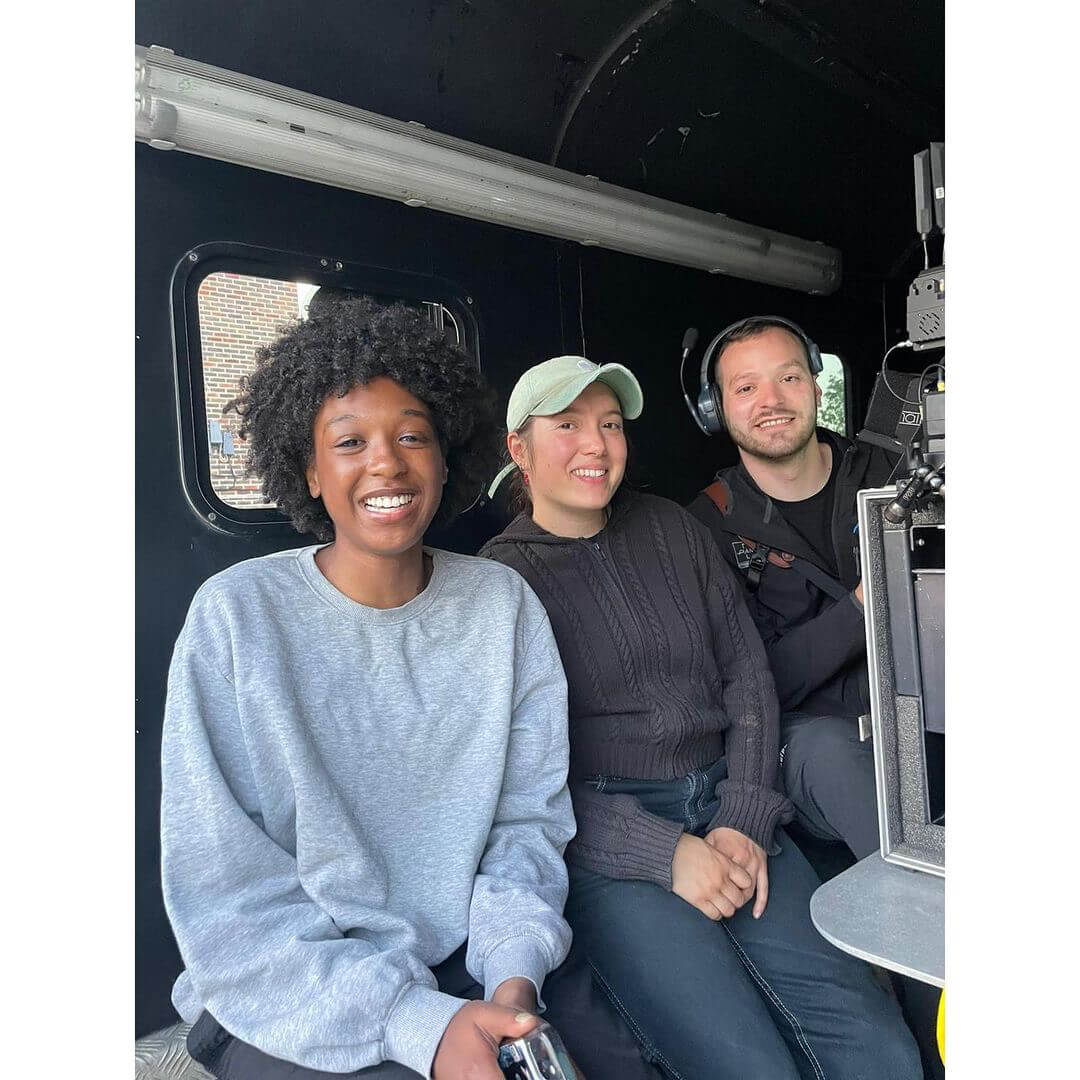
At Loop Talent, we excel in efficiently assembling skilled film crews, tailored to the unique needs of each production. Our services include:
Choose Loop Talent for a streamlined, professional crewing experience that elevates your production.
Ever wondered about the order of command on a film set? It’s a finely tuned machine, with an intricate hierarchy that ensures every aspect of production runs like clockwork.
From the location manager, scouting for perfect sets, to the head of the makeup department creating flawless looks, and from the lighting department head, setting the mood, to the VFX coordinator adding the final touches, each role contributes to the final film.
You’re about to embark on an exciting journey from pre-production to post-production in the film industry. Starting with the pre-production crew, who lay the groundwork, you’ll move on to the production crew, who bring the vision to life, and finally to the post-production crew, who polish and perfect the final product.
Each stage is filled with unique challenges and opportunities, all of which are essential to creating the magic of cinema.
During pre-production, the crew meticulously plans and budgets all film aspects. This stage sets the foundation for successful film shoots. The crew’s roles involve managing logistics, organising schedules, and securing resources. Their diligent work makes sure the production runs smoothly and achieves the director’s vision.
Once the pre-production phase is wrapped up, it’s the production crew’s turn to take centre stage, performing the actual shooting of the movie.
This team, led by the director, includes the cinematographer, sound and lighting technicians, and more.
Each member of the crew has an important role to play in bringing the film to life. They work tirelessly, ensuring every scene is captured perfectly to create a movie that will captivate audiences.
After discussing the production crew’s critical role, let’s now move on to the final piece in the jigsaw of film production – the post-production crew.
They’re in charge of editing, creating visual effects, and preparing the final film for distribution. This team includes film editors, sound editors, visual effects artists, and more.
Their responsibilities are immense, as they craft the final product that will captivate audiences worldwide.
You’ll find that the film industry is teeming with lesser-known but important roles. Such roles include script supervisors, location managers, and production assistants, all of whom are vital in bringing a story to life on the big screen. Each of them plays a vital role in ensuring smooth operations behind the scenes.
For example, runners and trainees serve as the backbone of production. People often start in these roles before climbing the film industry ladder.
So, you’ve explored the world of film production! It’s a complex field with many roles, responsibilities, and hierarchies. Whether you’re into the artistic side of things or more interested in the technical aspects, there’s a place for you.
Always remember that each role is crucial in bringing a film to life. Keep exploring, learning, and growing, and who knows? You might find your perfect fit in this exciting and creative industry.
At Loop Talent, we represent a roster of experts in many areas of film production who have many years of experience. Get in touch with Loop Talent and we will provide you with the perfect crew for your film production needs.
‘Unreported World Gaza: Daring To Dream‘ Edited by editor Claire Pringle won the Arts and Culture Story Of The Year Award at the Foreign Press Association. Congratulations to everyone involved!

Editor Christopher CF Chow BFE is speaking at a Raging Grace Q&A hosted by BAFTA.
Raging Grace is the debut from filmmaker Paris Zillica and tells the story of Joy, an undocumented immigrant who lands a job as a care worker for a terminal old man and secures a better life for her and her daughter.
Christopher will be speaking speaking on a Q&A after the screening on the 23rd November.
In cinemas 29th December.
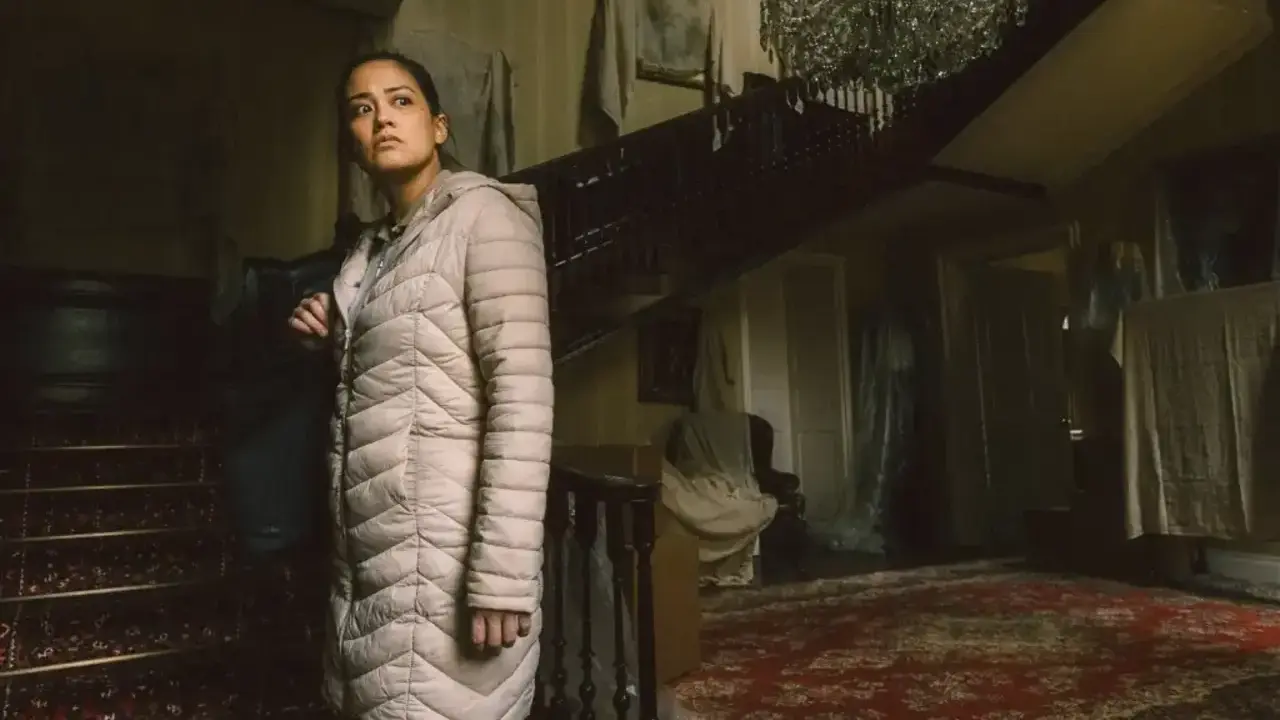
Agent Daisy Stone and DOP Jerry Amadi-Pradon attended the Shots Awards last night. Congratulations to all the winners!

Derry Girls won Best Comedy Series at the 2023 International Emmy Awards. Loop Talent Costume Designer Cathy Prior designed the costumes for all series of the critically acclaimed production. For the final series, Derry Girls has taken home IFTA for Best Television Drama and BAFTA for Best Scripted Comedy

Multiple projects our talented HODs have worked on have been BIFA nominated.
Festival of Slaps with costumes designed by Costume Designer Rhona Ezuma has been nominated for Best British Short.
Raging Grace edited by Editor Christopher CF Chow BFE is nominated for The Raindance Maverick Award and Breakthrough Producer (Chi Thai)
Pretty Red Dress with Loop Talent HODs 1st AD Steven O Eniraiyetan, and Intimacy Coordinator Abigail Kessel, has picked up nominations for Best Producer (Chi Thai) and Best Supporting Performance (Alexandra Burke)
Siobhan Harper Ryan designed hair and makeup for The Eternal Daughter directed by Joanna Hogg, which has received a nomination for Best Lead Performance (Tilda Swinton)


If you’re looking for a Line Producer:
In the complex world of film production, various roles contribute to the successful completion of a film. One such role that often goes unnoticed is that of the Line Producer. They’re the ones, working behind the scenes to ensure everything runs smoothly.
First, we’ll explore the world of Line Producers, outlining their key responsibilities, how their role differs from other production roles, and their involvement across the different stages of production. We’ll also be exploring the business side of Line Producing, an aspect often shrouded in mystery.
This article will give you an in-depth understanding of this role, explaining the significance of Line Producers in the grand scheme of film production. So, if you’ve ever been curious about the nuts and bolts of filmmaking, read on as we unravel the vital role of Line Producers.
If you’d like to check out our talented group of UK-based intimacy coordinators who contribute to various projects, including films, high-end TV productions, commercials, and music promos – you can view them here.
In the bustling world of film production, Line Producers have their hands full, juggling tasks such as hiring the crew, keeping everyone safe on set, managing the budget, resolving disputes, and ensuring every department remains on schedule.
The Line Producer’s role begins with assessing and breaking down the script, hiring the right people and coordinating with department heads to create a conducive work environment whilst making any necessary adjustments to the budget.
Furthermore, the Line Producer helps to maintain a smooth workflow by overseeing operations and meeting the day-to-day needs of the crew. Essentially, a successful Line Producer coordinates and manages all of the separate aspects at the heart of film production, making their role pivotal to the success of the film.

Let’s examine the differences between the role of a Line Producer and those of other critical positions in a film production process, including the production manager and executive producer.
First, we’ll compare the tasks of the Line Producer with those of the production manager, considering how their responsibilities overlap and diverge.
We’ll also examine the similarities and differences between the positions of a Line Producer, a producer and an executive producer, shedding light on the unique responsibilities that each role entails.
You might have been wondering about the differences between a Line Producer and a production manager in the film industry.
Essentially, the Line Producer’s role is more strategic, focusing on budget setting and contract negotiations. It’s up to them to determine how the production dollars are allocated and ensure the film production stays within budget.
On the other hand, the production manager executes the Line Producer’s decisions. They’re responsible for managing the day-to-day operations of the production process, from coordinating with crew members to overseeing logistical details.
Although their roles intersect, the Line Producer and production manager each bring unique skills and responsibilities to the table, playing critical roles in the overall success of a film.
Navigating the difference between the duties of a producer and those of a Line Producer can seem tricky, but it’s essential to understand their respective jobs. While both roles are vital in film production, their responsibilities vary significantly.
A producer typically assembles the project, secures financing, and handles off-set details. They’re ‘above the line’, focusing on creative and financial aspects.
On the other hand, the First-Line Producer’s job description, responsibilities, and duties are more ‘below the line’. They’re the ones in charge of on-set operations, budget management, and day-to-day production tasks.
Anyone looking to become a Line Producer should be prepared for this hands-on role.
To summarise the key difference between a Line Producer and a producer, the Line Producer is more involved in the nitty-gritty side of things, while the Line Producer only focuses on overseeing the project’s big picture.
As a Line Producer, one serves as a film producer and production manager, who executes the day-to-day operations of a project, ensuring the production budget is adhered to. This role is often hands-on, dealing with any problems and requirements that arise during the making of a film, from pre-production through to post-production.
On the other hand, an executive producer primarily handles financing and high-level decision-making. Their focus isn’t necessarily on the day-to-day details, but rather on overarching issues, such as securing funding and greenlighting projects.
Together, the Line Producer and the executive producer must work in tandem to ensure a film’s success.

Next, we’ll look into the Line Producer’s role across different stages of production.
We’ll start with pre-production, where the groundwork is laid for a successful film.
Then, we’ll move on to the production phase, in which the Line Producer is tasked with ensuring everything runs smoothly on set.
Finally, we’ll explore their responsibilities in post-production, steering the project towards completion.
In pre-production, a Line Producer lays the groundwork that sets the tone for the entire film project. This pivotal stage involves everything from project management to location scouting.
As a Line Producer, you’ll lead in creating and managing the production budget, ensuring that every dollar is allocated wisely. This includes estimating all of the costs during the pre-production stage, from set design to special effects, and negotiating contracts with cast and crew.
Scheduling and initial crew hiring also fall under your remit, along with tasks such as conducting a script breakdown to determine staffing needs and aligning filming schedules with cast and crew availability.
Moreover, you’ll coordinate with department heads to lay a solid foundation, which involves setting up production timelines and organising logistics for location scouting.
As the cameras roll, the magic and challenges of filmmaking emerge. As a Line Producer, you’ll be in the thick of it, ensuring smooth sailing on set.
You’ll be working closely with the unit production manager, assistant director, and production team to keep the shooting schedule on track. You will be responsible for managing the production crew, maintaining a conducive working environment, and swiftly resolving any crises that arise.
Whether it’s a sudden change in weather or an unexpected equipment failure, the Line Producer must be ready to tackle it head-on. Adherence to budgets and timelines is important, and it’s the job of the Line Producer to make sure that every dollar and minute is well spent.
A well-managed set is the backbone of a successful film.
Like any well-oiled machine, post-production must run smoothly to ensure the movie finishes on time and within budget. Line Producers play a pivotal role in this phase too.
They manage post-production budgets and schedules, coordinating closely with the post-production supervisor and film editors. It’s their job to ensure a seamless transition from production to post-production. Above all, they must liaise with the post-production facility to make sure everything is on track.
Moreover, they also look for ways to cut costs without compromising the quality of the film; for instance, by returning equipment early. In essence, the Line Producer’s role during post-production is akin to steering a ship towards the port, ensuring that it stays the course and reaches its destination on time and within budget.
Mastering the business side of Line Producing isn’t just about crunching numbers; it’s about understanding how every pound impacts your film’s journey from script to screen.
Line Producers must work closely with the production coordinator, the production accountant, and the production supervisor to ensure that the budget is being maximised and that every expense is accounted for.
In addition, they also liaise with the production company and the ‘above the line’ talent, negotiating contracts and ensuring everyone is on the same page.
Managing both the financial and logistical aspects of film production is a precarious balancing act. However, by understanding the intricacies of budgeting, cash flow, and project management, the Line Producer can steer the production towards its completion cost-effectively and efficiently.
You’re probably wondering, ‘Who are Loop Talent, and what do they do?’ Well, we’re an agency dedicated to supporting professionals in the world of film HETV Drama, commercials and music promos, with a particular focus on those who are experts in navigating the challenges of bringing a script to life on screen.
We’re proud to represent a diverse range of roles and individuals, from costume designers or hair & makeup designers to the production designer, who all bring the director’s vision to life.
Our production team is instrumental in every stage of the filmmaking process, ensuring that every piece of the puzzle fits together seamlessly. We represent a highly respected and sought-after list of Line Producers working in HETV, and Film, across all budget levels.
Now we’ve explored the role of Line Producers in film production. They keep everything on track, from budgeting to hiring, and are integral to every production stage.
Understanding their role helps us appreciate the business side of filmmaking. In our work at Loop Talent, we know the value of a good Line Producer. They’re the unsung heroes, who ensure that the film’s vision becomes a reality while keeping everything running smoothly behind the scenes.
Multiple projects have won at Aesthetica Film Festival featuring work from our talented HODs.
‘The Golden West‘ from Oscar winning directing duo Tom Berkley & Ross J White , 1st AD Sam Roffey won ‘Best of Festival’ and ‘Best Drama’

Winning ‘Best Of Comedy’ is ‘Festival of Slaps’ with costume designer Rhona Ezuma will screen in Got Your Back Comedy category.

Contact our agents for bookings.
Loop Talent represents award-winning Directors of Photography, Production Designers, Editors, Costume Designers, Hair & Make Up Designers, Production Managers, First Assistant Directors, Military Advisory company Bare Arms, and Intimacy Coordinators.
RTS North West nominations have been released. Congratulations to the nominated projects and the Loop Talent HODs who worked on them.
‘Everyone Else Burns‘ with Costumes Designed by Sara Hassan and 1st AD Tom Allan, is nominated for Best Scripted Comedy and Best Performance in a Comedy
Intimacy Coordinator Haley Muraleedharan coordinated the Coronation Street’s ‘Amy’s Rape’ which is nominated for ‘Best Continuing Drama Storyline’
‘A Kind Of Spark‘ lensed by DOP Martyna Knitter is nominated for ‘Best School Age Children’s Programme’



Contact our agents for bookings.
Loop Talent represents award-winning Directors of Photography, Production Designers, Editors, Costume Designers, Hair & Make Up Designers, Production Managers, First Assistant Directors, Military Advisory company Bare Arms, and Intimacy Coordinators.